Creating a home office that balances relaxation and productivity can transform your workdays. Whether you work remotely full-time or occasionally need a quiet space, setting up an environment that helps you focus while feeling comfortable is essential. In this guide, we’ll explore practical tips to design a home office that nurtures both efficiency and calm.
Choose the Right Location
The first step in creating your ideal home office is selecting the best spot in your home. Consider these factors:
– Natural Light: A space with plenty of natural light helps improve mood and reduces eye strain.
– Quiet Environment: Choose a room or corner away from household noise and distractions.
– Space Availability: Ensure there’s enough room for your desk, chair, and storage needs without feeling cramped.
If you can, avoid working in bedrooms or living rooms as these areas are often linked with rest and relaxation, which could make staying productive harder.
Invest in Comfortable Furniture
Comfort plays a key role in both productivity and relaxation. Here’s what to look for:
– Ergonomic Chair: A good office chair supports your back and encourages good posture.
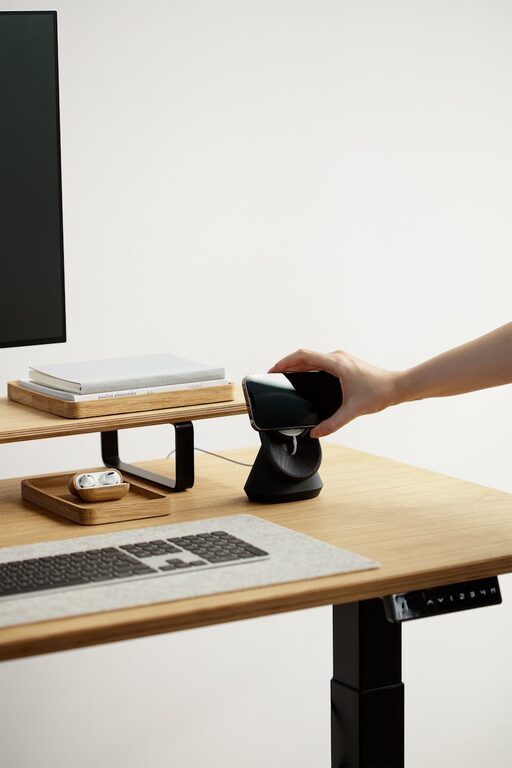
– Adjustable Desk: A desk at the correct height prevents strain. Consider a sit-stand desk for variety.
– Sufficient Surface Area: Having enough space for your computer, notes, and other essentials keeps your workspace organised.
Taking care of your physical comfort reduces distractions from aches and injuries.
Declutter and Organise
A tidy workspace promotes concentration and reduces stress. Try these steps:
– Regular Cleaning: Schedule weekly tidying to keep papers and tools in order.
– Storage Solutions: Use drawers, shelves, and organisers to store items neatly.
– Minimise Items on Desk: Keep only the essentials within easy reach.
An organised home office encourages mental clarity and improves workflow.
Personalise Your Space
Adding personal touches can make your workspace inviting and relaxing. Consider:
– Artwork or Photos: Choose calming images or inspiring artwork to decorate your walls.
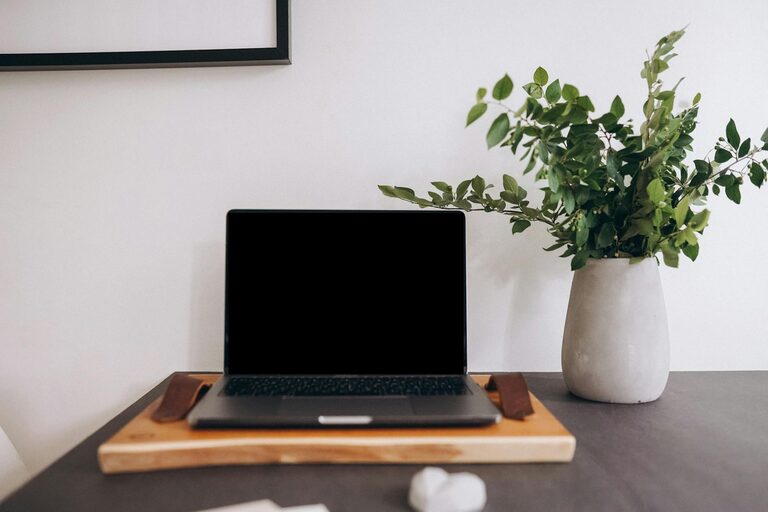
– Plants: Indoor plants improve air quality and add a touch of nature.
– Soft Textiles: A comfortable rug or cushions can enhance the space’s warmth.
Personalisation helps you feel at ease, making it easier to stay engaged.
Control Lighting Effectively
Lighting affects energy and focus. Here’s how to get it right:
– Use Natural Light: Position your desk near windows, but avoid glare on screens.
– Task Lighting: A desk lamp with adjustable brightness is great for focused tasks.
– Ambient Lighting: Soft overhead lighting prevents harsh shadows and eye strain.
Adjust lighting according to the time of day and your activities for maximum comfort.
Manage Noise Levels
Noise can be distracting and stressful. Try these solutions:
– Quiet Room: Choose or create a quiet space if possible.
– Soundproofing: Add rugs, curtains, or wall panels to reduce echoes and outside noise.
– Background Sounds: Some people find white noise or soft instrumental music helpful for concentration.
Controlling noise supports a calm and focused atmosphere.
Incorporate Break Spaces
Regular breaks help maintain productivity and relaxation. Consider:
– Designated Break Area: A nearby comfy chair or corner invites short rests.
– Stretching Zone: Keep space for simple stretches to reduce physical tension.
– Refreshments: Have water and healthy snacks accessible to stay energised.
Taking intentional breaks prevents burnout and boosts overall performance.
Use Technology Wisely
Modern tools can aid or hinder your work environment. Keep these tips in mind:
– Reliable Equipment: Invest in a dependable computer, headset, and internet connection.
– Cable Management: Use clips and sleeves to keep cords neat and avoid clutter.
– Minimise Distractions: Turn off unnecessary notifications and consider apps that block distracting websites during work periods.
Technology should support your workflow without overwhelming it.
Set Boundaries and Routines
Creating clear work routines helps separate work time from personal time:
– Define Work Hours: Set consistent start and finish times.
– Dress the Part: Wearing work-appropriate clothes can mentally prepare you for the day.
– Communicate Boundaries: Let others in your household know your schedule to reduce interruptions.
Routines and boundaries sustain focus and make relaxation time feel guilt-free.
—
By combining comfort, organisation, and thoughtful design, you can create a home office that is both relaxing and productive. Experiment with the tips above and adjust them to suit your personal needs. A well-crafted workspace will help you enjoy your workdays and maintain a healthy balance between focus and well-being.

Related Posts