
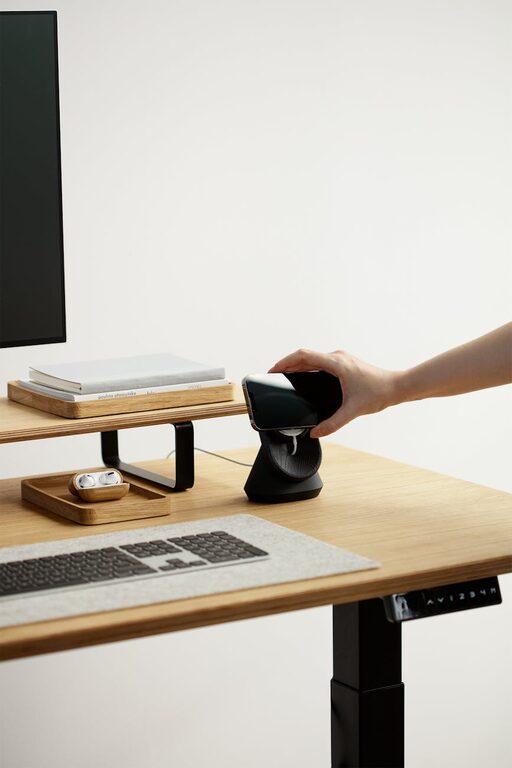
Creating a relaxing home office environment is essential for maintaining focus, productivity, and overall wellbeing while working from home. Whether you’re spending a few hours a day or full-time in your workspace, a calm, inviting atmosphere can make a big difference to how you feel and perform.
In this post, we’ll explore practical tips to help you transform your home office into a soothing sanctuary where work feels less like a chore. From lighting and furniture choices to organisation and décor, small changes can have a big impact.
1. Choose the Right Location
Selecting the best spot for your home office is the foundation of a relaxing workspace. Ideally, find a quiet area with minimal distractions, away from high-traffic zones in your home. Natural light is important too, as it helps improve mood and focus.
If possible, position your desk near a window to enjoy daylight and views of nature. If that’s not an option, consider full-spectrum bulbs that mimic daylight.
2. Invest in Comfortable Furniture
Comfort is key in a relaxing office. Choose an ergonomic chair that supports your back and allows you to sit comfortably for long periods. Adjustable desks, whether fixed or sit-stand types, let you change your posture and reduce stiffness.
Make sure your desk is spacious enough for your computer, essentials, and some personal touches without feeling cluttered. Remember, comfort improves concentration and reduces physical strain.
3. Use Calm, Soothing Colours
Colours impact our feelings and productivity. Soft, neutral shades like pale blues, greens, or warm greys create a restful environment. Avoid overly bright or distracting colours that might increase anxiety or fatigue.
You can paint a wall, add cushions, rugs, or desk accessories in calming hues to introduce a sense of peace without overwhelming your space.
4. Keep It Organised and Clutter-Free
A tidy workspace helps clear your mind and lowers stress. Declutter regularly and ensure everything has a designated place. Use storage solutions like shelves, drawers, and boxes to keep papers and equipment organised.
Use cable organisers to prevent cords from tangling and creating visual chaos. When your desk is neat, it’s easier to focus and feel relaxed.
5. Bring Nature Indoors
Adding elements of nature enhances relaxation and creativity. Indoor plants improve air quality and add a splash of green, which has a calming effect. Choose low-maintenance plants like spider plants, succulents, or snake plants if you’re new to gardening.
Natural materials such as wooden desk organisers or stone coasters can also bring a sense of calm and warmth.
6. Control Lighting Carefully
Along with natural light, your artificial lighting matters. Avoid harsh overhead lights; instead, use a combination of task lighting and ambient lighting.
A desk lamp with adjustable brightness lets you direct light where you need it. Warm light bulbs create a cosy atmosphere. Consider installing dimmers to customize lighting levels throughout the day.
7. Personalise with Meaningful Items
Personal touches can make your home office feel welcoming and inspire motivation. Choose artwork, photos, or quotes that uplift you without cluttering the space.
Keep personal items minimal to maintain a calm vibe, but don’t hesitate to add a small soft throw or unique stationery that brings joy and comfort.
8. Minimise Noise Distractions
Noise can disturb your concentration and increase stress. Use rugs, curtains, and soft furnishings to absorb sound. If external noise is unavoidable, consider noise-cancelling headphones or a white noise machine to create a peaceful work bubble.
Playing soft instrumental music or nature sounds in the background might also help some people relax and focus.
9. Incorporate Relaxation Breaks
Design your home office so you can easily step away and recharge. Create a small corner with a comfortable chair or cushion for stretch breaks, meditation, or deep breathing exercises.
Taking regular breaks improves productivity and helps prevent burnout. Encouraging yourself to pause and relax will make your workspace more balanced.
10. Maintain Good Air Quality
Fresh air is important for alertness and comfort. Whenever possible, open windows to circulate air. Air purifiers can help reduce dust and allergens if your area is prone to poor air quality.
Avoid strong scents from cleaning products or fragrances that might cause irritation. Instead, use gentle, natural scents like lavender or citrus if you want a refreshing aroma.
—
Creating a relaxing home office doesn’t have to be complicated or expensive. By focusing on comfort, organisation, lighting, and personal touches, you can build a workspace that supports both your professional needs and mental wellbeing. Try out these tips and enjoy a more pleasant and productive day at work.
