Creating a home office that balances relaxation with productivity is essential for anyone working remotely or managing tasks from home. A well-designed workspace helps maintain focus, reduces stress, and can even improve your overall wellbeing. In this guide, we’ll explore practical tips to set up a home office that feels both calming and efficient.
Choose the Right Location
Selecting the perfect spot for your home office is the first step. Ideally, look for a quiet area with minimal distractions.
– Natural Light: Position your desk near a window to benefit from daylight, which can improve mood and alertness.
– Separation: If possible, choose a room or corner that can be dedicated solely to work, helping create a mental distinction between work and relaxation.
– Noise Control: Consider places away from noisy household appliances or busy areas.
Invest in Comfortable Furniture
The right furniture supports your health and productivity throughout the day.
– Ergonomic Chair: Choose an adjustable chair with good lumbar support to prevent back pain.
– Desk Height: Your desk should allow your arms to rest comfortably at a 90-degree angle when typing.
– Additional Support: A footrest or wrist support can add extra comfort.
Declutter and Organise
A tidy space promotes a clear mind and helps maintain focus.
– Storage Solutions: Use shelves, drawers, or organisers to keep supplies neatly stored.
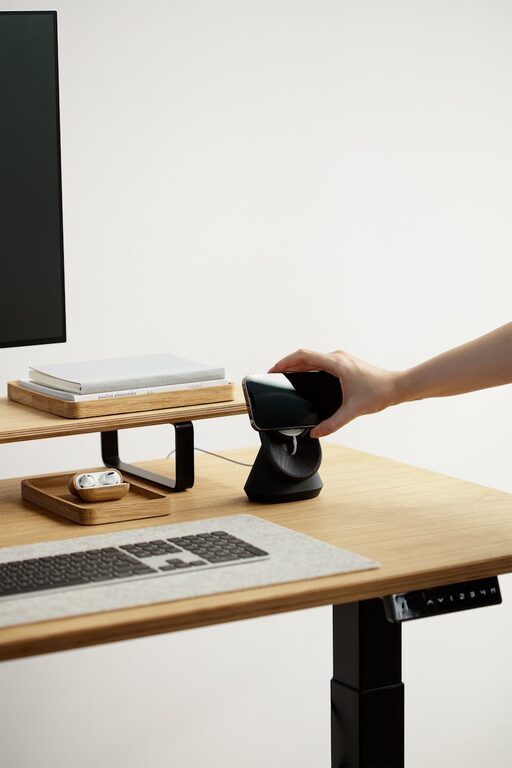
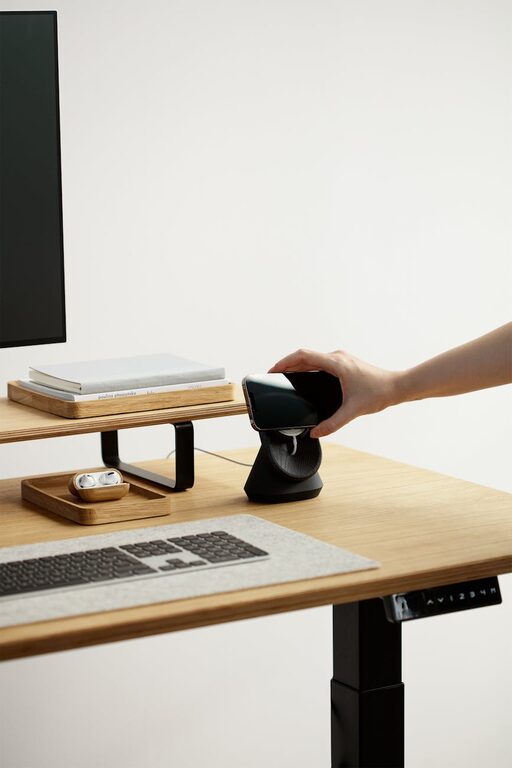
– Minimalist Approach: Avoid overcrowding your desk with unnecessary items.
– Daily Reset: Spend a few minutes at the end of each day organising your workspace.
Personalise Your Space with Soothing Elements
Making your office welcoming can motivate you to spend time in it while promoting relaxation.
– Colours: Soft, neutral colours like light blues, greens, or creams create a calming atmosphere.
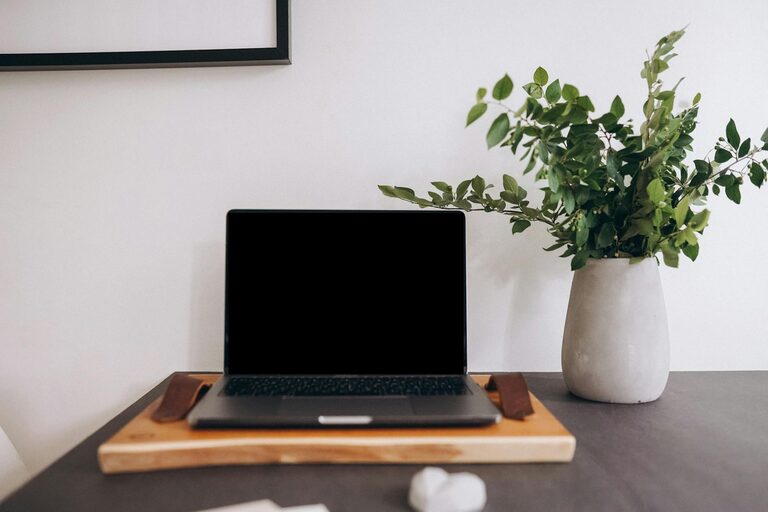
– Plants: Adding greenery can improve air quality and reduce stress.
– Artwork: Choose pictures or prints that inspire or soothe you.
Optimise Lighting for Comfort and Efficiency
Proper lighting reduces eye strain and keeps you alert.
– Layered Lighting: Combine natural light with overhead lights and task lamps.
– Adjustable Lamps: Use lamps with adjustable brightness for different times of the day.
– Avoid Glare: Position screens and lights to prevent reflections.
Incorporate Technology Thoughtfully
Technology is essential but should not overwhelm your space.
– Quality Equipment: Invest in reliable devices like a good computer, keyboard, and mouse.
– Cable Management: Use clips or sleeves to keep cords organised and out of the way.
– Noise-Cancelling Headphones: Useful for blocking out distractions during focused work.
Establish a Routine and Boundaries
Creating a productive environment involves good habits.
– Working Hours: Set clear start and finish times to avoid overworking.
– Breaks: Take regular short breaks to stretch and rest your eyes.
– Separate Work from Leisure: Avoid using your workspace for non-work activities.
Add Comfort and Wellness Features
Finally, consider elements that promote your wellbeing while working.
– Temperature Control: Ensure your workspace is neither too hot nor too cold.
– Hydration: Keep a water bottle nearby to stay hydrated.
– Movement: Incorporate standing desks or take short walks to reduce stiffness.
Summary
A relaxing and productive home office comes down to thoughtful choices in location, furniture, organisation, and personal touches. By prioritising comfort and order, you can create a space that supports your best work while keeping stress at bay. Remember, your home office should work for you, so don’t hesitate to adjust your setup as your needs change.

Related Posts