
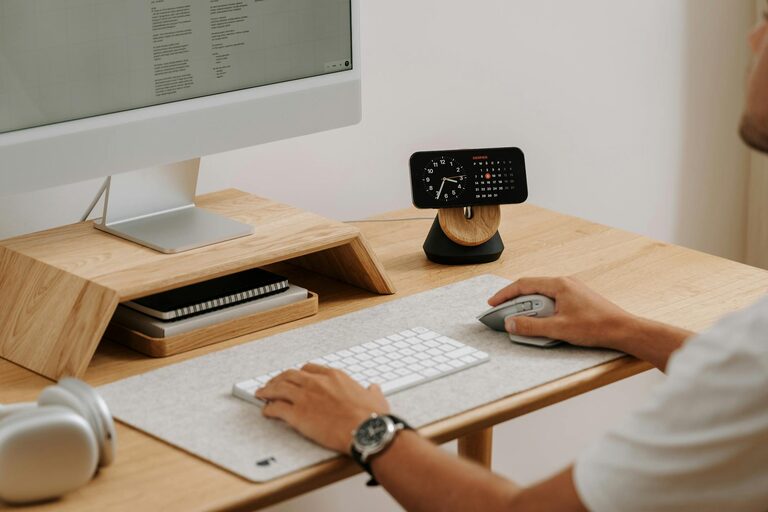
In recent years, working from home has become increasingly common, making it more important than ever to have a workspace that encourages both productivity and relaxation. A comfortable, well-organised home office can help you focus, reduce stress, and separate work life from personal time. Here are some practical tips to create a home workspace that supports your professional goals while promoting wellbeing.
Choose the Right Location
Consider Natural Light and Noise Levels
Selecting where to set up your workspace is the first step. Ideally, choose a spot with plenty of natural light, which can improve mood and energy. Avoid areas prone to distractions or noise, such as near the television or in high-traffic zones. If you don’t have a separate room, a quiet corner with a door or a divider might work well.
Prioritise Privacy and Comfort
Your workspace should feel like a distinct zone where you can concentrate. If possible, use a room or area that can be dedicated solely to work, helping you mentally separate office time from relaxation time. Additionally, ensure the temperature and ventilation are comfortable to maintain focus.
Invest in Functional and Comfortable Furniture
Ergonomic Chair and Desk
Comfort plays a key role in how productive you feel. Investing in an ergonomic chair provides good back support and encourages good posture, reducing the risk of discomfort or injury over time. Pair this with a desk at the proper height to prevent strain on your wrists and shoulders.
Desk Organisation and Storage
Keep your desk tidy by using organisers and storage solutions such as shelves or drawers. A clutter-free environment reduces distractions and helps maintain concentration. Only keep essential items within arm’s reach to avoid overcrowding your workspace.
Create a Calming Atmosphere
Use Soothing Colours
Colours influence mood and productivity. Soft, neutral shades such as pale blue, green, or beige tend to have a calming effect and create a pleasant environment. You might choose to paint a wall or use accessories in these colours.
Bring in Natural Elements
Adding plants to your workspace can improve air quality and create a more relaxed ambiance. Choose easy-to-care-for plants like succulents or spider plants, which require minimal maintenance.
Control Lighting
In addition to natural light, have sufficient artificial lighting for darker days or evening work. Use adjustable desk lamps with warm light to reduce eye strain and create a cosy atmosphere.
Establish Productivity Aids
Set Clear Boundaries and Schedule
Defining working hours and sticking to them helps maintain work-life balance. Use calendars or planners, whether digital or paper, to organise tasks and appointments efficiently.
Minimise Distractions
Turn off notifications from non-essential apps and use noise-cancelling headphones if necessary. Consider playing soft background music or white noise to improve concentration.
Utilise Technology Wisely
Keep your computer and accessories up to date to avoid technical issues during work. Use apps or software that aid focus, such as time management tools or task trackers.
Personalise Your Workspace
Add Inspiring Touches
Incorporate items that motivate you, such as photos, artwork, or inspirational quotes. However, avoid cluttering your desk with too many personal items.
Maintain Cleanliness Regularly
Make it a habit to tidy your workspace at the end of each day. A clean environment contributes to a clearer mind and helps start the next day fresh.
Take Breaks and Move
Even with a perfect workspace, it’s important to take regular breaks. Stand up, stretch, or take a quick walk every hour to avoid fatigue and maintain physical wellbeing.
Conclusion
Creating a relaxing and productive home workspace is about combining comfort, organisation, and personal touches. By choosing the right location, investing in ergonomic furniture, optimising lighting and atmosphere, and managing distractions, you’ll be better equipped to work efficiently while feeling calm and refreshed. Remember, a well-designed workspace supports not only your tasks but also your overall wellbeing.
